

PRP Therapy for Active Professionals in New York
A non-surgical option for active professionals who want to keep performing

Recover faster. Avoid unnecessary surgery. Be efficient.
If joint pain is slowing you down: in the gym, on the run, or even during long days at work — it’s more than just discomfort. It’s frustrating. You train hard. You stay disciplined. You expect your body to keep up. When a knee, shoulder, or hip starts limiting your performance, it affects more than workouts — it disrupts routine, momentum, and confidence.
PRP may be a non-surgical option worth exploring if you want to address the issue directly rather than simply manage it.
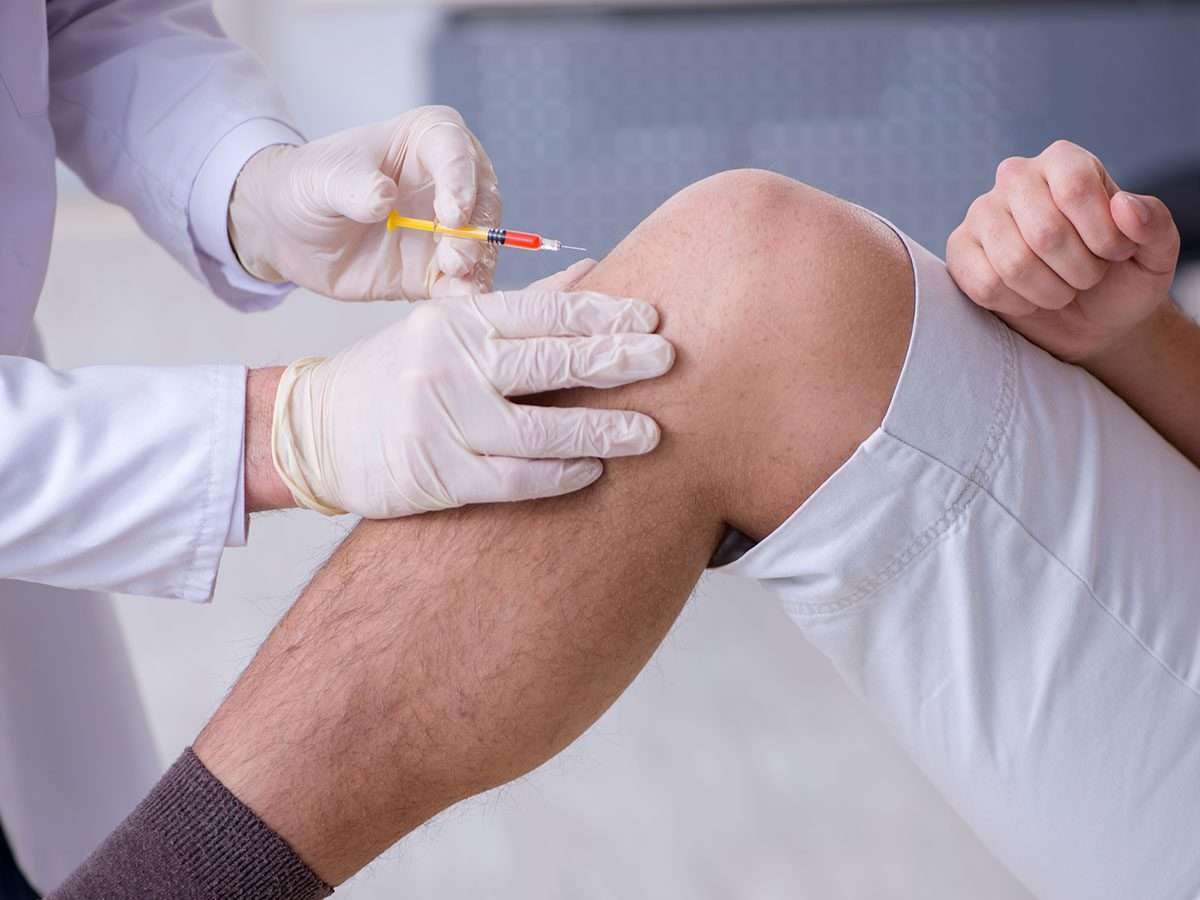
What is PRP?
Platelet-Rich Plasma (PRP) is a treatment that uses a concentrated portion of your own blood to support the body’s natural healing response.
PRP is commonly considered for:
• Tendon injuries
• Mild to moderate arthritis
• Ligament strains
• Overuse injuries
• Persistent joint pain
Because PRP uses your body’s own biological material, it is often explored as a non-surgical option for individuals who want to stay active and avoid more invasive procedures.
It is not appropriate for every condition, which is why proper evaluation matters.
1.
What to expect.
2.
A Clear Evaluation For Your Needs & Goals
Every case begins with a focused orthopedic assessment to determine whether PRP makes sense for your diagnosis and goals.
A Treatment Plan Built Around Performance
If PRP is appropriate, we outline timing, expectations, and recovery guidance designed to help you return to activity safely.
3.
An Efficient, Professional Experience
This practice is structured for professionals who value their time. Minimal waiting. Direct physician access. Clear next steps. Streamlined appointments
Book a Consultation
If you’d like to determine whether PRP is appropriate for your condition, submit your information below and our team will follow up directly.
Why Address This Now?
Persistent joint pain rarely resolves completely on its own.
The longer it limits movement, the more it can affect performance and long-term joint health.
Addressing it early can often lead to better outcomes.
What people are saying.

“Back to training without surgery”
“I’m a marathon runner and had been dealing with persistent knee pain for over a year. I wasn’t ready for surgery, and rest wasn’t fixing it. After PRP and a structured plan, I was able to return to training with significantly less discomfort.”
— Mike

“Minimal downtime, real improvement.”
“I was skeptical at first. But after the treatment and following the recovery plan, I noticed steady improvement over the following weeks. I was able to get back to lifting without constant irritation.”
— Becky

“It gave me stronger confidence.”
“What stood out was how clearly PRP was explained — what it could do and what it couldn’t. I appreciated that it wasn’t presented as a miracle cure. After the treatment, my shoulder pain gradually improved and I was able to return to lifting.”
— Justin

Orthopedic Surgeon | New York, NY
Dr. Jeffrey Kaplan is a board-certified orthopedic surgeon practicing in New York City, specializing in sports medicine and joint care for active adults and professionals. He works with patients experiencing knee, shoulder, hip, and tendon conditions, with a focus on helping them return to activity safely and efficiently.
About Dr. Jeffrey Kaplan
Frequently Asked Questions
-
The only way to know for sure is through an in-person evaluation. PRP is commonly considered for tendon injuries, mild to moderate arthritis, and certain chronic joint conditions, but it’s not appropriate for every case. A consultation allows us to determine whether it makes sense for your diagnosis and goals.
-
Cortisone is often used to temporarily reduce inflammation. Surgery is typically reserved for more advanced structural damage. PRP is a non-surgical option that focuses on supporting your body’s natural healing response. During your evaluation, we’ll explain where PRP fits relative to other options.
-
This varies depending on the condition and severity. Some patients benefit from a single treatment, while others may require a short series. Your specific plan is determined during your consultation.
-
If PRP is not appropriate for your condition, you will still leave your evaluation with a clear understanding of your options and a medically guided plan forward.
-
Persistent joint pain often does not fully resolve on its own. Addressing the issue earlier can help prevent progression and reduce the likelihood of needing more invasive treatments later.
Book a Consultation
If you’d like to determine whether PRP is appropriate for your condition, submit your information below and our team will follow up directly.